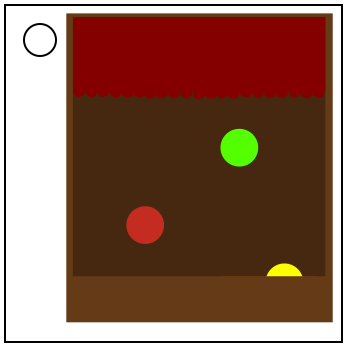
On the Subject of Binary Juggle
This module takes "juggling numbers" to another level.
The module starts with 6 balls in the first stage, then switches to 8 new balls in the second. Each ball presents 4 pieces of information you need to note down to solve the module.
- Color
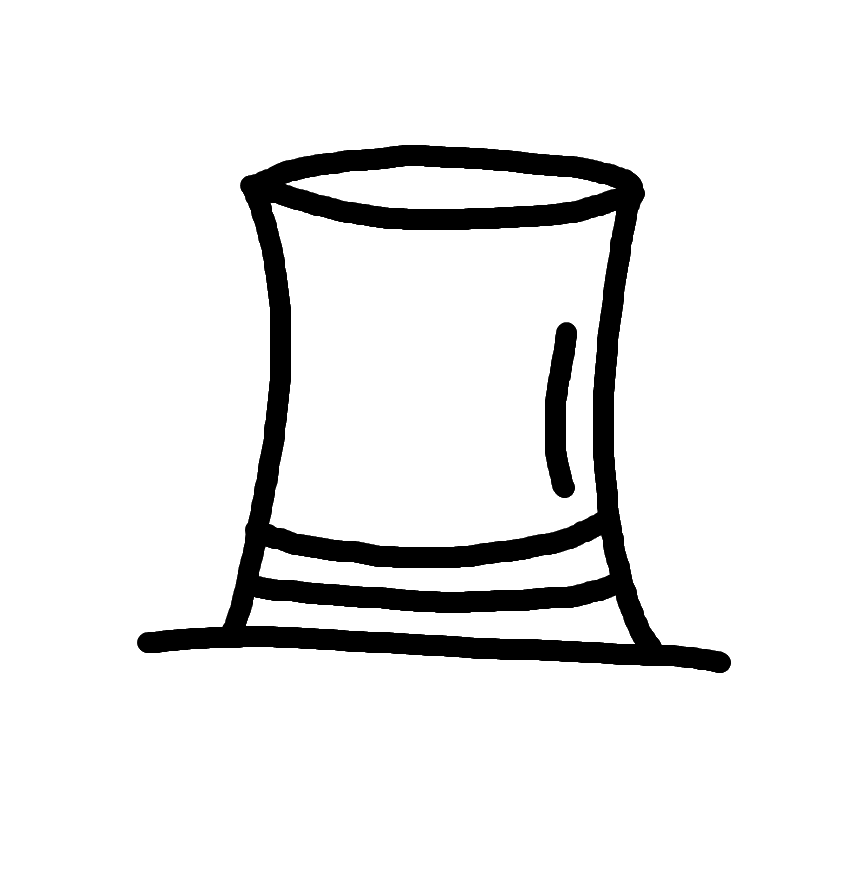
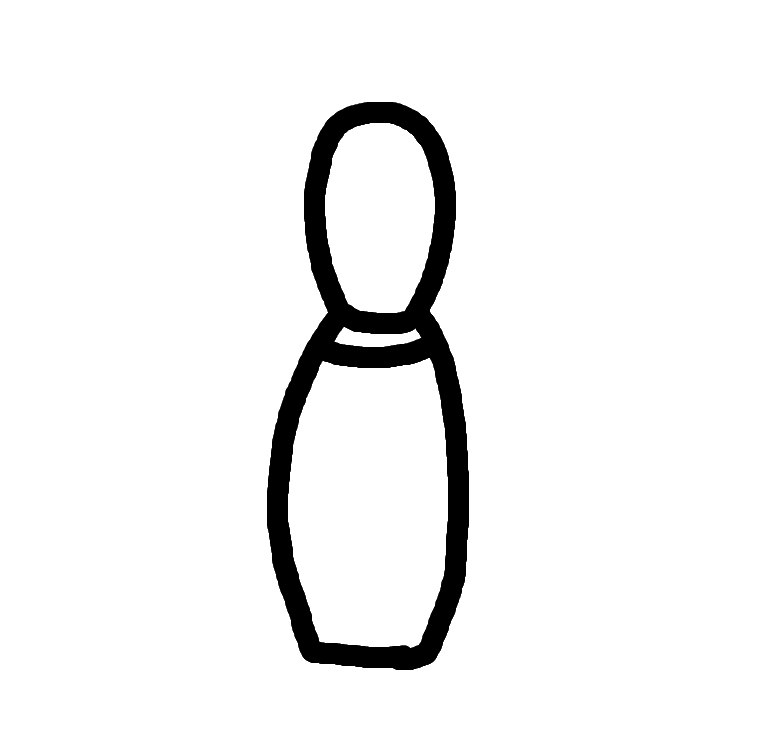
- Symbol
- Rotation
- Direction
Use the 4 characteristics of each ball to find its matching binary digit in the table, then join the digits in the exact order the balls were juggled.
| Clockwise | Counterclockwise | ||||||||
|---|---|---|---|---|---|---|---|---|---|
|

|
|

|
|
|
|
|
||
| Left | Red | 0 | 0 | 1 | 1 | 0 | 1 | 0 | 0 |
| Green | 1 | 1 | 1 | 0 | 1 | 0 | 0 | 1 | |
| Yellow | 1 | 1 | 0 | 1 | 0 | 1 | 1 | 0 | |
| Magenta | 0 | 0 | 1 | 0 | 1 | 0 | 1 | 1 | |
| Right | Red | 1 | 0 | 0 | 1 | 0 | 0 | 1 | 1 |
| Green | 0 | 1 | 0 | 0 | 1 | 1 | 0 | 0 | |
| Yellow | 1 | 0 | 1 | 0 | 1 | 1 | 0 | 1 | |
| Magenta | 0 | 1 | 0 | 1 | 0 | 0 | 1 | 0 | |
Determine the amount of juggling
- If more balls move to the right than rotate counterclockwise, juggle according to the number of 1s in your binary string.
- Otherwise, if more balls move to the left than rotate clockwise, juggle according to the number of 0s in your binary string.
- Otherwise, juggle based on the difference between the number of 1s and 0s.