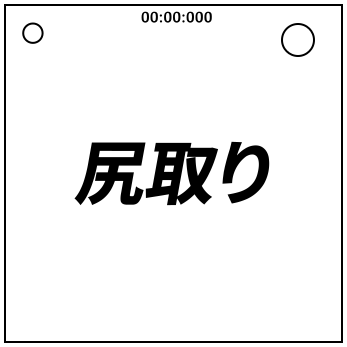
On the Subject of Shiritori

Oshiri o tori ? Kusa

Beneath the shroud of a eclipsed interface, luminous Japanese glyphs emerge, radiating an enigmatic allure. For the unversed, their combined aura pierces the depths of obscurity.

About This Module

This module draws inspiration from the classic Japanese game, “Shiritori”.
It has access to over 450 words at the JLPT(Japanese-Language Proficiency Test) N5 level by default while the player has access to over 126,000 words that this module will allow during submissions.
The words documented in this manual serve as a baseline or guide to solving this module successfully without prior Japanese vocabulary knowledge.
It can be played like a normal Shiritori game with or without the manual.

How to Play

Simply input an acceptable word via the transcription mapping table using the last hiragana character shown.
Ensure the Unacceptable Entries table is strictly followed.
When inputting characters, a green light will appear in the top-left corner of the module. This light indicates the transition into transcription mode. You must hit enter to exit transcription mode, then enter again to submit an answer.
In its default state, you must input 10 acceptable answers to solve the module. Upon a strike, you remain on your current stage unless you lose the game.
If you lose the game, the module will reset back to stage 1 and clear all previously used answers for both parties.

Technical Note

Due to the scale of the module, editing the Shiritori Settings (found in Mod Settings) or triggering a regeneration of the word lists may take a considerable amount of time, depending on your settings configuration. Shiritori offers a caching system that drastically reduces these loading times by saving, then loading a pre-generated word list. This feature is disabled by default and can be enabled in your mod settings. If you want to play with a larger word pool, you can enable N4-N1 in Mod Settings to select a specific or multiple JLPT levels, or turn on RandomMode to have the module pick a level at random. RandomMode can not be used alongside any other JLPT level selections. Advanced Japanese speakers can try the LegacyVersion, which includes over 95,000 words that the module can pull from, and use StartKanjiSide to display the kanji version of words by default. For an easier experience, enabling EasyMode will reduce the number of stages needed to solve the module to 5 instead of the default 10.

Module Usage Guide and Examples

Transcription Mode Examples

To type kana in transcription mode, simply follow the mapping table on the next page.

Example Effect
Typing ka Following the kana mapping, during transcription mode, this will transcribe into: か
Typing jya or ja Following the kana mapping, during transcription mode, this will transcribe into: じゃ

Double Consonant / Small tsu / Chīsaitsu Examples

To use the double consonants character, follow the guide below:

Example Effect
Typing kka Following the kana mapping, during transcription mode, this will transcribe into: っか
Typing gakkou Following the kana mapping, during transcription mode, this will transcribe into: がっこう

Special Keywords

Shiritori ignores submissions beginning with “!” (Exclamation mark), unless using special keywords. Usage of “!” disables kana transcription mode.

Keyword Description
!kana Displays the kana version of the currently displayed kanji.
!kanji Displays the kanji version of the currently displayed kana.
!forever Enable Endless Mode.
Shiritori will continue past 10 solves at which sending !solve will trigger a solving animation.
If the module is red, forever mode can not be activated.

Kana Multi Selection

Some kana are written the same as one another in romaji. Should you need to use another version of a kana, the up arrow on your keyboard provides that functionality.

English to Hiragana Transcription Mapping Tables

Single Characters
aiueo
∅あaいiうuえeおo
kかkaきkiくkuけkeこko
sさsaしshiすsuせseそso
tたtaちchiつtsuてteとto
nなnaにniぬnuねneのno
hはhaひhiふfuへheほho
mまmaみmiむmuめmeもmo
yやyaゆyuよyo
rらraり riるruれreろro
wわwaをwo
ん n
gが gaぎ giぐ guげ geご go
zざ zaじ jiず zuぜ zeぞ zo
dだ daぢ jiづ zuで deど do
bば baび biぶ buべ beぼ bo
pぱ paぴ piぷ puぺ peぽ po
Dual Characters
ゃゅょ
kきゃ kyaきゅ kyuきょ kyo
nにゃ nyaにゅ nyuにょ nyo
sしゃ shaしゅ shuしょ sho
cちゃ chaちゅ chuちょ cho
hひゃ hyaひゅ hyuひょ hyo
mみゃ myaみゅ myuみょ myo
rりゃ ryaりゅ ryuりょ ryo
gぎゃ gyaぎゅ gyuぎょ gyo
jじゃ jyaじゅ jyuじょ jyo
jぢゃ jyaぢゅ jyuぢょ jyo
bびゃ byaびゅ byuびょ byo
pぴゃ pyaぴゅ pyuぴょ pyo

Unacceptable Entries
Katakana Characters / Words
Single Characters / Words
Previously Used Words*
Words that are not Nouns**
Words ending with (pa, pi, pu, pe, po, n***)
Words ending with smaller characters (ya, yu, yo, tsu, wa)
  • *Including what Shiritori has used.
  • **All accepted words are nouns (common and temporal) - (futsū meishi to toki kotoba)
  • ***You lose the game.

Words that can be used per character:

Note that these show what you should type into the module and may not reflect the exact romaji transcriptions. ^ means to press the up arrow.

a

  • ara
  • aoba
  • asahi
  • atoaji
  • abekobe
  • anngou
  • aikouka
  • asshuku
  • anettai
  • arijigoku

i

  • ika
  • iori
  • ikou
  • izakoza
  • ichijiku
  • inanaki
  • iinnkai
  • isemairi
  • itodennwa
  • imahitotsu

u

  • umi
  • uneri
  • uroko
  • uirou
  • usotsuki
  • uchuu
  • usagidoshi
  • usoppachi
  • uruudoshi
  • unntennshi

e

  • ei
  • ebisu
  • eboshi
  • eizou
  • ekigaku
  • edamame
  • eigyou
  • ekohiiki
  • ehoumaki
  • ennjyou

o

  • oyu
  • onaji
  • otoko
  • oubei
  • omomuki
  • obekka
  • okagesama
  • oshaburi
  • omajinai
  • onndokei

ka

  • kaki
  • kajiki
  • kakashi
  • kaikaku
  • karakuri
  • kannsatsu
  • kakomikiji
  • kamikakushi
  • kagehinata
  • kakushigei

ki

  • kichi
  • kibami
  • kiroku
  • kikannki
  • kikurage
  • kinennbi
  • kitakitsune
  • kyoushitsu
  • kirigirisu
  • kinnyoubi

ku

  • kumo
  • kusuri
  • kurai
  • kushami
  • kuchinashi
  • kuragari
  • kubittake
  • kunigamae
  • kumogakure
  • kunnshou

ke

  • kega
  • kejime
  • kemuri
  • keshou
  • kebyou
  • kennpou
  • keiyoushi
  • keshougi
  • keiryuu
  • ketteida

ko

  • koto
  • kodama
  • kokuji
  • kosodoro
  • kodawari
  • konndate
  • kotatsugake
  • konoaida
  • komekouji
  • konnnyaku

sa

  • sara
  • sannma
  • sakki
  • sagyou
  • satoyama
  • sarumane
  • saishuu
  • sakaagari
  • sarugutsuwa
  • sarushibai

shi

  • shita
  • shari
  • shinnwa
  • shiokuri
  • shitagaki
  • shaberi
  • shiasatte
  • shitappara
  • shitamawari
  • shakkuri

su

  • sugi
  • sukui
  • sunoko
  • suikuchi
  • suisei
  • sunnpou
  • sutekotoba
  • sujichigai
  • sukikirai
  • sukikatte

se

  • seki
  • seibo
  • sekai
  • seisaku
  • seitei
  • sekkachi
  • sekaiichi
  • sekibarai
  • sesshou
  • sennpuuki

so

  • sora
  • sougo
  • sodachi
  • sokujitsu
  • sonoato
  • sonoue
  • soumatou
  • sokoji^kara
  • sodatekata
  • sotomawari

ta

  • tame
  • taiko
  • tanago
  • taisei
  • tanoshimi
  • tannkobu
  • taishou
  • tatsutaage
  • tamanokoshi
  • tamajyari

chi

  • chiba
  • chikuwa
  • chuu
  • chikyuu
  • chiguhagu
  • choubo
  • chiebukuro
  • chidoriashi
  • chokkai
  • chonnmage

tsu

  • tsuya
  • tsutsuji
  • tsubasa
  • tsunagime
  • tsunahiki
  • tsugihagi
  • tsuushinnbo
  • tsukumogami
  • tsutomeburi
  • tsumayouji

te

  • tera
  • tegata
  • tegaru
  • tekitou
  • tenokou
  • tenoyubi
  • teikyuu
  • teitaraku
  • temaemiso
  • temakizushi

to

  • toki
  • toufu
  • toode
  • tokimeki
  • toomaki
  • tomodachi
  • toukyou
  • toomawari
  • tokkyuu
  • tororoimo

na

  • natsu
  • nakama
  • naruto
  • naikaku
  • naozari
  • nagusami
  • nakatagai
  • naguriai
  • narisumashi
  • nanndemoya

ni

  • niku
  • nigiri
  • nimotsu
  • nizu^kuri
  • nihonngo
  • niwatori
  • nigirizushi
  • nikudanngo
  • nishikigoi
  • ninnjyou

nu

  • nushi
  • numachi
  • nurie
  • nukarumi
  • nukumori
  • nusubito
  • nunnchaku
  • nuritsubushi
  • nuigurumi
  • nusumigiki

ne

  • neta
  • negai
  • nenndo
  • nejimaki
  • nemawashi
  • nennpou
  • nejimawashi
  • nettaiya
  • neraiuchi
  • nennshuu

no

  • nora
  • nozomi
  • nohara
  • noukou
  • nobanashi
  • nomikui
  • nomigusuri
  • nonndakure
  • nokorimono
  • noboriguchi

ha

  • hane
  • haoto
  • hatachi
  • haiboku
  • hagoromo
  • hagoita
  • hagaijime
  • hakuhyou
  • hanamizuki
  • hannbouki

hi

  • hibi
  • hikari
  • hitotsu
  • hishimeki
  • hitotsumi
  • hyouji
  • hittakuri
  • hitotonari
  • hitorigoto
  • hyougaki

fu

  • fuchi
  • fukushi
  • fusuma
  • fushidara
  • fuchidori
  • futokoro
  • fukinotou
  • fukubukuro
  • furudanuki
  • furuhonnya

he

  • heta
  • hedate
  • hechima
  • hetakuso
  • hedatari
  • hennteko
  • heichou
  • hesomagari
  • hebiichigo
  • hennshuu

ho

  • hoshi
  • houki
  • hokke
  • hoozuki
  • horyuu
  • honnyaku
  • housennka
  • hotaruika
  • hotokenoza
  • honeyasume

ma

  • maru
  • madoka
  • madoi
  • mashikaku
  • manadeshi
  • mayakashi
  • makafushigi
  • manamusume
  • mawarimichi
  • mamechishiki

mi

  • migi
  • minato
  • migite
  • mikazu^ki
  • minomushi
  • mimizuku
  • mikageishi
  • mitsudomoe
  • miyabiyaka
  • miyamairi

mu

  • mune
  • mujina
  • munage
  • musasabi
  • munamoto
  • murabito
  • munekazari
  • munasawagi
  • mukaezake
  • musubitsuki

me

  • meshi
  • mebae
  • megumi
  • meshimono
  • meikai
  • meifuku
  • meikyoku
  • meiryou
  • meshitsukai
  • meyasubako

mo

  • moto
  • mokuzu
  • monnpe
  • mochizu^ki
  • motenashi
  • momonnga
  • moushobi
  • mokutekigo
  • motodoori
  • moyorieki

ya

  • yami
  • yasude
  • yasune
  • yamabiko
  • yariyou
  • yarikuri
  • yaoyorozu
  • yajirobee
  • yamazakura
  • yamanobori

yu

  • yumi
  • yukari
  • yutori
  • yuigou
  • yunohana
  • yuminari
  • yukikaeri
  • yubimusubi
  • yukidaruma
  • yukimatsuri

yo

  • yoko
  • yosou
  • yodare
  • yokogao
  • yokozu^na
  • yorozuya
  • youshoku
  • yokottsura
  • yosutebito
  • yomaigoto

ra

  • raku
  • raretsu
  • rakuda
  • raimei
  • rakurai
  • rannsuu
  • raishuu
  • rakushou
  • rakutennka
  • rakkyou

ri

  • risu
  • rieki
  • rigai
  • ryoushi
  • ryouri
  • rimawari
  • rijichou
  • rikujyou
  • ryougae
  • ryokakuki

ru

  • rusu
  • ruiji
  • rutsubo
  • ruigigo
  • ruikei
  • ruriiro
  • ruionngo
  • ruijyou
  • ruijyaku
  • ruisekiwa

re

  • rei
  • reiwa
  • rennga
  • reidai
  • rekidai
  • renngoku
  • reikyaku
  • reijyou
  • rekkyou
  • rennnyuu

ro

  • roku
  • robata
  • rokata
  • roudou
  • rojiura
  • ronnsou
  • rokushou
  • rotennburo
  • robatayaki
  • ronnjyutsu

wa

  • waku
  • wasabi
  • watashi
  • wakamono
  • wannpaku
  • warumono
  • wasuremono
  • waishou
  • waruagaki
  • wadakamari

ga

  • gari
  • gayoku
  • gakai
  • gashuu
  • gakubuchi
  • garakuta
  • gairyaku
  • garanndou
  • gamushara
  • gannmodoki

gi

  • giri
  • giwaku
  • ginnga
  • gikyoku
  • gishou
  • gyokuro
  • gyakusetsu
  • gyouretsu
  • gyogyou
  • ginnsekai

gu

  • guru
  • guuji
  • gunnte
  • gushou
  • gutaika
  • gunnbai
  • guuzouka
  • gutairei
  • gunnshuu
  • gunnjyou

ge

  • geko
  • gekai
  • gennki
  • geshuku
  • getemono
  • gennpatsu
  • gesuidou
  • gesshoku
  • getsuyoubi
  • gennjyuu

go

  • gou
  • gobou
  • gouka
  • goudatsu
  • gokiburi
  • goriyaku
  • gokujyou
  • gobounuki
  • goroawase
  • goyoutashi

za

  • zai
  • zayuu
  • zarame
  • zaihou
  • zatsugaku
  • zarigani
  • zaijyuu
  • zaishoku
  • zadannkai
  • zanngyou

ji

  • jisa
  • jyuu
  • jyari
  • jigyou
  • jikyoku
  • jikyoku
  • jyagaimo
  • jyuunishi
  • jyuuretsu
  • jyouyou

zu

  • zure
  • zukai
  • zuroku
  • zubunure
  • zuhyou
  • zuiichi
  • zuihitsuka
  • zugaikotsu
  • zuruyasumi
  • zuwaigani

ze

  • zehi
  • zesei
  • zeimu
  • zeibiki
  • zeigaku
  • zeisei
  • zeishuu
  • zekkyou
  • zettaichi
  • zecchou

zo

  • zou
  • zouni
  • zokuse
  • zousui
  • zokutou
  • zonnmei
  • zoushoku
  • zokushou
  • zourimushi
  • zoukyou

da

  • date
  • dagashi
  • danngo
  • daigomi
  • datemaki
  • dameoshi
  • daidokoro
  • dakkyuu
  • danngomushi
  • dannmatsuma

de

  • deka
  • deguchi
  • dennwa
  • detarame
  • deppari
  • denntaku
  • dekunobou
  • dezomeshiki
  • debushou
  • dennkikiki

do

  • doro
  • dokuro
  • dotsubo
  • doyomeki
  • donnzoko
  • donnguri
  • dougubako
  • doujyou
  • dobunezumi
  • doryokuka

ba

  • baba
  • barani
  • bakuha
  • bakuhatsu
  • bachigai
  • babanuki
  • baikyaku
  • bashogara
  • bachiatari
  • bannshuu

bi

  • biwa
  • binnta
  • bikou
  • bijyaku
  • bijyutsu
  • byakuya
  • bichikumai
  • biteikotsu
  • bibouroku
  • byouyomi

bu

  • bure
  • buai
  • bunnko
  • bushidou
  • busshitsu
  • bunnpou
  • bukejidai
  • bucchigiri
  • bunashimeji
  • bunnbougu

be

  • betsu
  • benngi
  • bennri
  • beikoku
  • benibana
  • benngoshi
  • bennshou
  • besshou
  • berannmee
  • bennkyou

bo

  • boku
  • bosei
  • boketsu
  • botamochi
  • borokire
  • bonnyari
  • botannebi
  • bottakuri
  • boromouke
  • bonnodori

A Massive Thank You to the Japanese KTANE community for their support.

JPKTANE no minasan e , tetsudatteidataki hontōni arigatōgozaimasu .

ⱧɆⱠⱠØ.

₮ⱧɆ₴Ɇ ₳ⱤɆ ₥Ɏ ⱤɄⱠɆ₴

  • ≠: ɎØɄⱤ ₩ØⱤĐ ₥Ʉ₴₮ ₦Ø₮ ₵Ø₦₮₳ł₦ ₮Ⱨł₴ ₵Ⱨ₳Ɽ₳₵₮ɆⱤ
  • 〆: Ɇ₦Đ ɎØɄⱤ ₩ØⱤĐ ₩ł₮Ⱨ Ø₦Ɇ Ø₣ ₮ⱧɆ₴Ɇ ₵Ⱨ₳Ɽ₳₵₮ɆⱤ₴,
  • っ: ɎØɄⱤ ₩ØⱤĐ ₥Ʉ₴₮ ₵Ø₦₮₳ł₦ ₮Ⱨł₴ ₵Ⱨ₳Ɽ₳₵₮ɆⱤ,
  • ゛|゜: ɎØɄⱤ ₩ØⱤĐ ₥Ʉ₴₮ ₵Ø₦₮₳ł₦ ₮ⱧɆ₴Ɇ ₴₱Ɇ₵ł₳Ⱡ ₴Ɏ₥฿ØⱠ₴,
  • ⇌: ɎØɄⱤ ₩ØⱤĐ ₥Ʉ₴₮ ₴Ⱨ₳ⱤɆ ₳₮ ⱠɆ₳₴₮ 𝟭 ₵Ⱨ₳Ɽ₳₵₮ɆⱤ ₣ⱤØ₥ ₮ⱧɆ ₱ⱤɆVłØɄ₴ ₴ⱧłⱤł₮ØⱤł ₩ØⱤĐ ₳₴ Đł₴₱Ⱡ₳ɎɆĐ,
  • ↔: ɎØɄⱤ ₩ØⱤĐ ₥Ʉ₴₮ ₴₮₳Ɏ ₩ł₮Ⱨł₦ ₮ⱧɆ Đł₴₱Ⱡ₳ɎɆĐ ₩ØⱤĐ ⱠɆ₦₲₮Ⱨ